
Service 11 of 13
Full Mouth Rehabilitation
Years of grinding, acid wear, old dentistry and missing teeth can take a mouth past the point where one-tooth fixes make sense. Full mouth rehabilitation rebuilds the whole system: the bite height, the chewing surfaces and the smile, in one coordinated plan. Function first, looks a very close second.
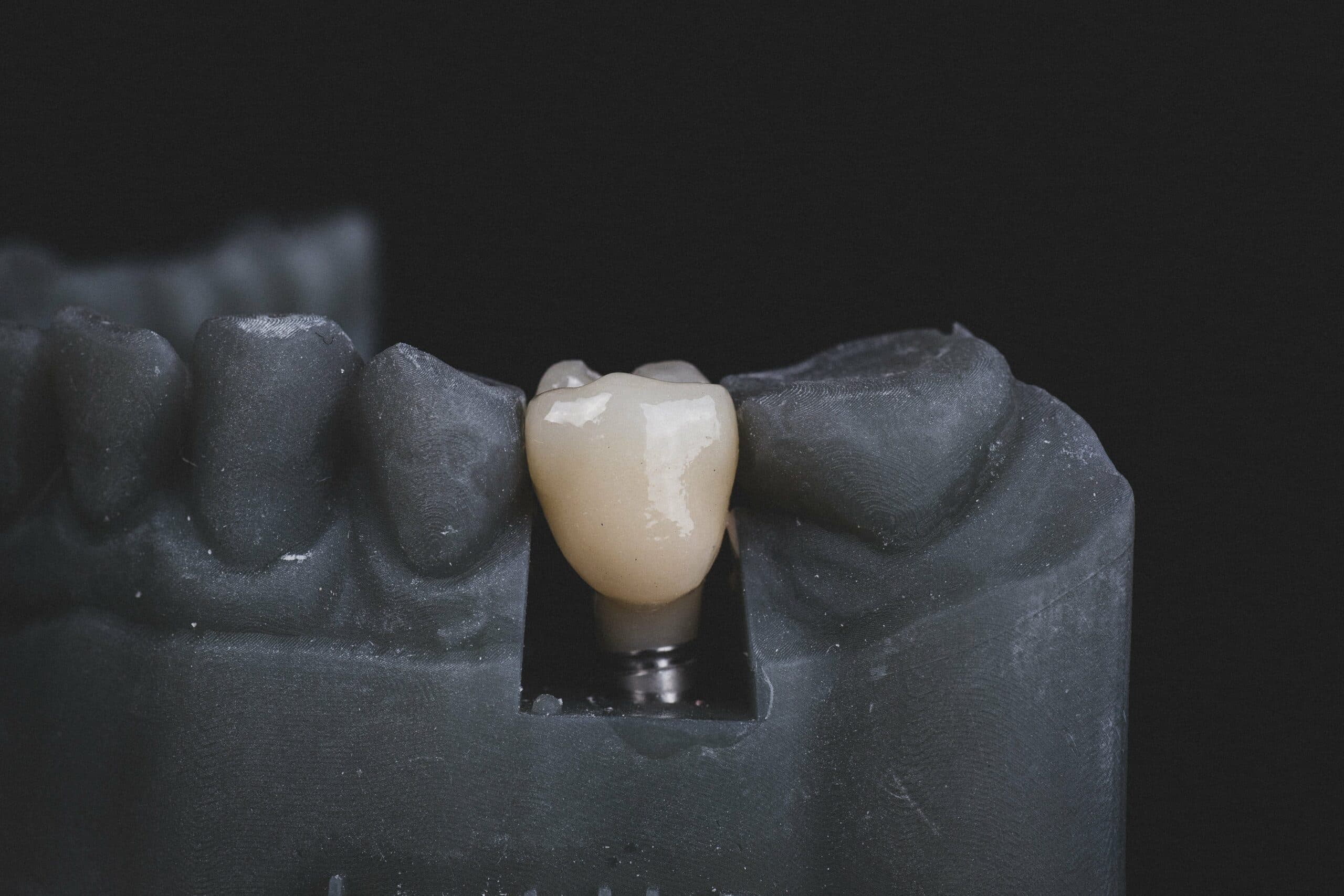
Rebuilding a whole bite
A worn mouth is a chain of connected problems. Ground-down teeth collapse the bite height, which strains the jaw joints, which accelerates the wear. Missing back teeth push chewing onto front teeth that were never built for it. Fixing one tooth at a time in that environment is repairing a roof panel while the frame is sagging.
Rehabilitation starts by re-establishing the correct bite height, then rebuilds each tooth to meet it: crowns and onlays on the worn and broken, implants where teeth are missing, veneers where the front of the smile needs it. Dr. Mohammad Nour, whose casework centres on full mouth rehabilitation and the restoration of worn teeth, leads these plans, with Dr. Faris Alkhanafseh placing the implant work.
How a rehabilitation runs
- 01
Comprehensive assessment
Full imaging, scans and a bite analysis. We map every tooth and agree what the finished mouth should do.
- 02
The master plan
A written, phased plan with costs per phase. Urgent structural work leads, cosmetic finishing closes.
- 03
Restorative phases
Crowns, onlays, implants and veneers are placed phase by phase, each visit building on the last.
- 04
Maintenance
A rebuilt mouth is protected with a nightguard, a hygiene schedule and periodic reviews.
Full Mouth Rehabilitation: your questions, answered
How long does full mouth rehabilitation take?
Months rather than weeks, honestly. Simple wear cases finish in two to three months; plans involving implants include healing time and typically run six months or more. The phased plan means your mouth is always functional between stages.
How much does full mouth rehabilitation cost?
It is the largest treatment plan in dentistry and the cost reflects the number of teeth involved, so no honest clinic quotes it sight unseen. What we do is break the written plan into phases you approve and pay for separately, with payment plans available for each.
Is full mouth rehabilitation painful?
The work happens under local anaesthetic in ordinary-length visits, and most patients report less discomfort than they expected, because each phase actually relieves strain the damaged bite was causing. Sore jaw muscles often improve noticeably once the bite height is restored.
Who actually needs full mouth rehabilitation?
People with widespread wear from years of grinding, mouths with many failing old restorations, or several missing back teeth that have overloaded the rest. If your problems are limited to one or two teeth, you need a smaller plan, and we will say so.
If you have stopped chewing on one side, or your teeth feel shorter than they used to be, the assessment will tell you exactly where you stand. That conversation costs nothing and commits you to nothing.